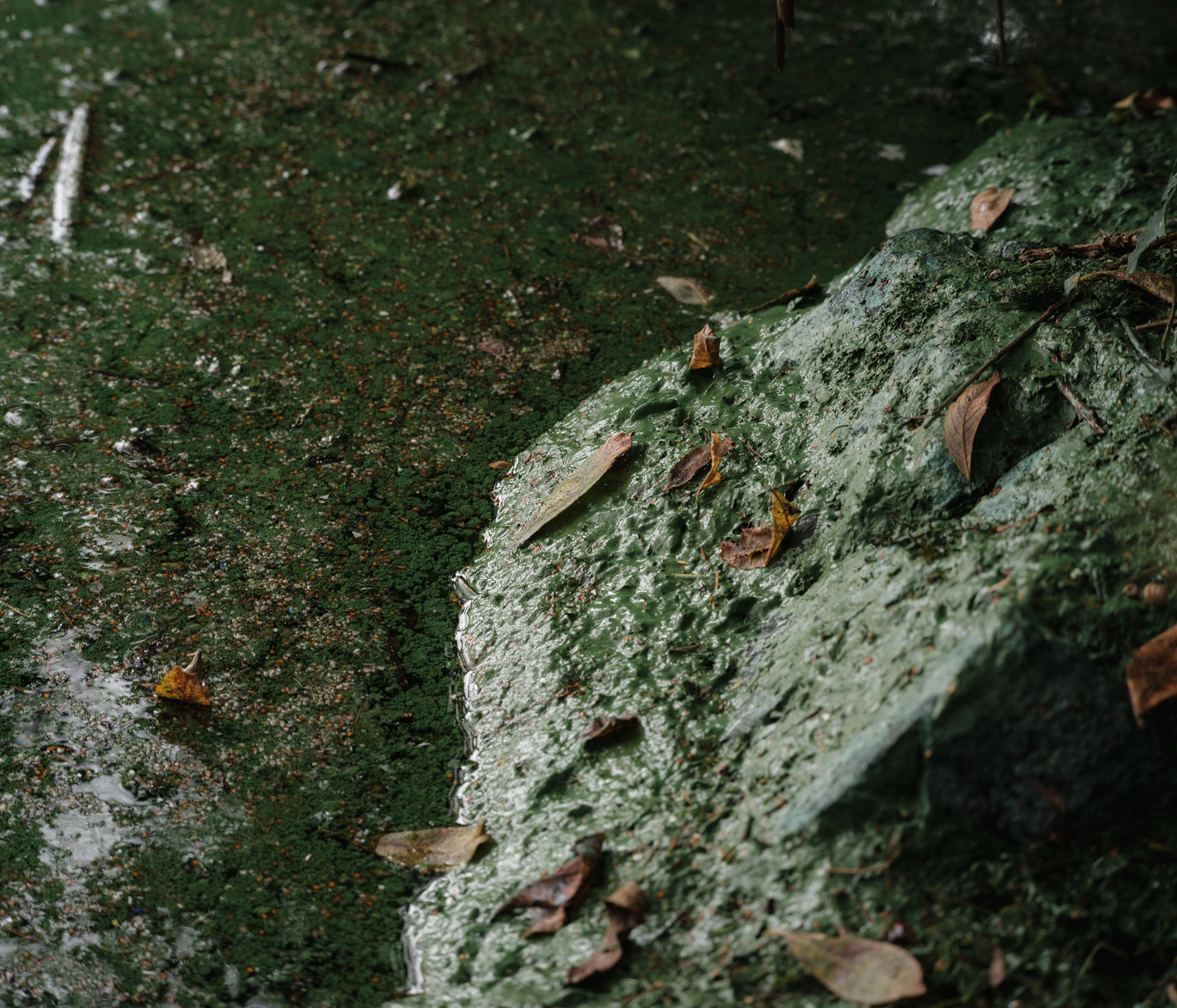
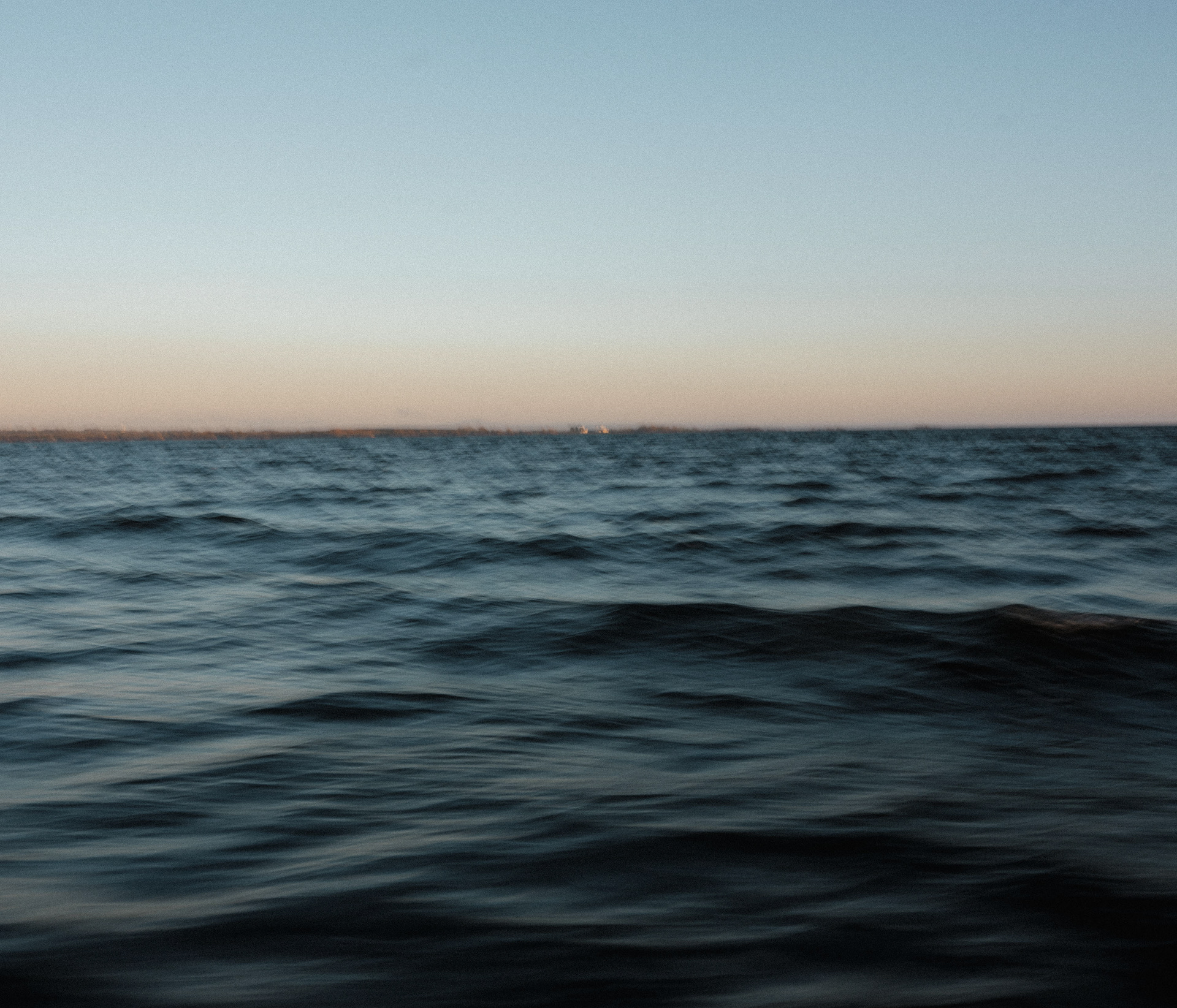
I first visited Lough Neagh in the summer of 2023, shortly after an unseasonal storm had passed. The heat of that summer had turned Ireland’s largest lake into a putrid expanse covered in a noxious sludge, releasing a nauseating gas.
Glossy scum, thick like oil paint, lined the banks, spreading many metres into the water.
Excessive nutrients, particularly phosphorus and nitrogen, create ideal conditions for these harmful algae and plants. Sewage pollution, agricultural runoff, and environmental mismanagement have transformed this once-pristine waterbody into a breeding ground for ecological disaster.
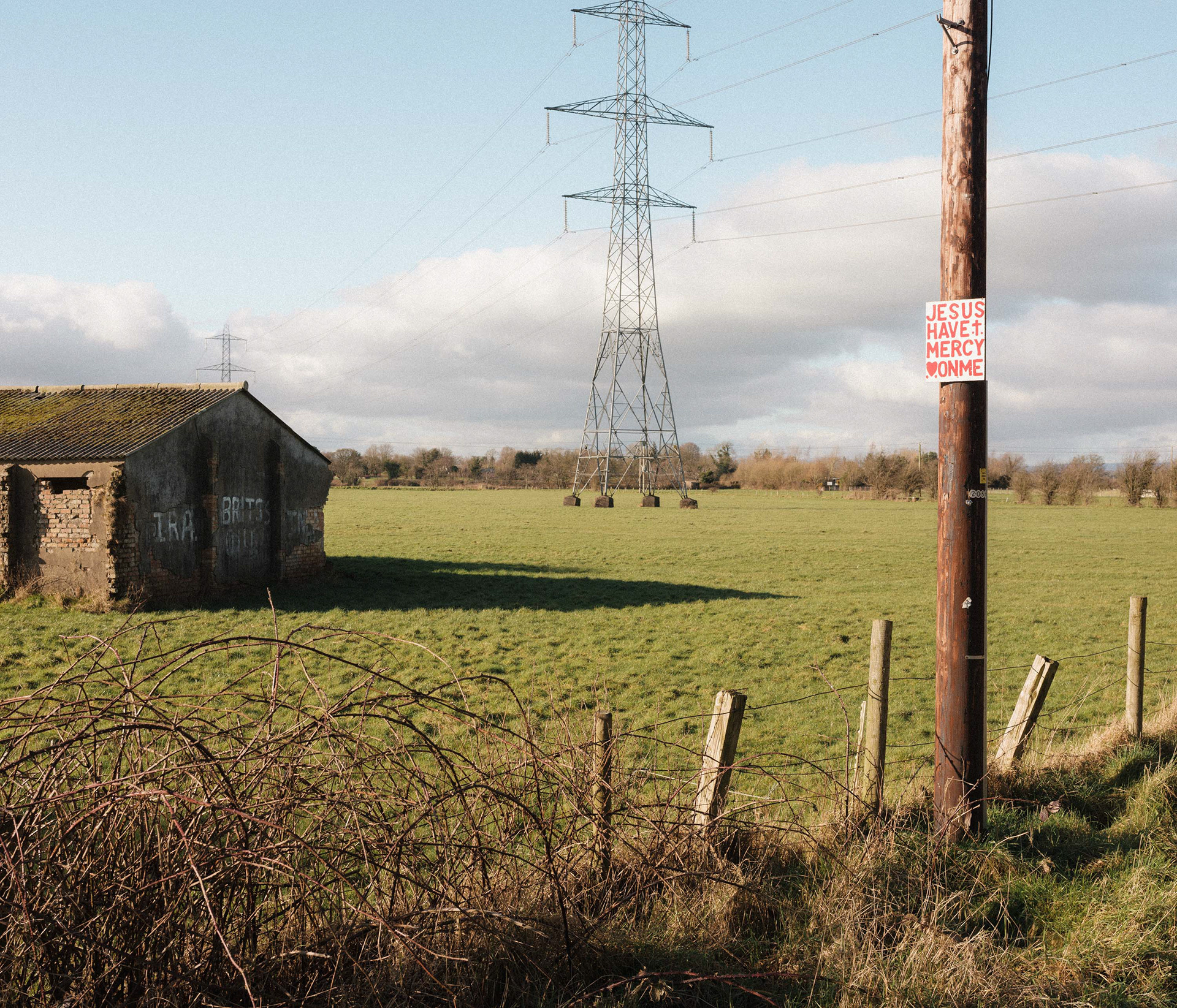
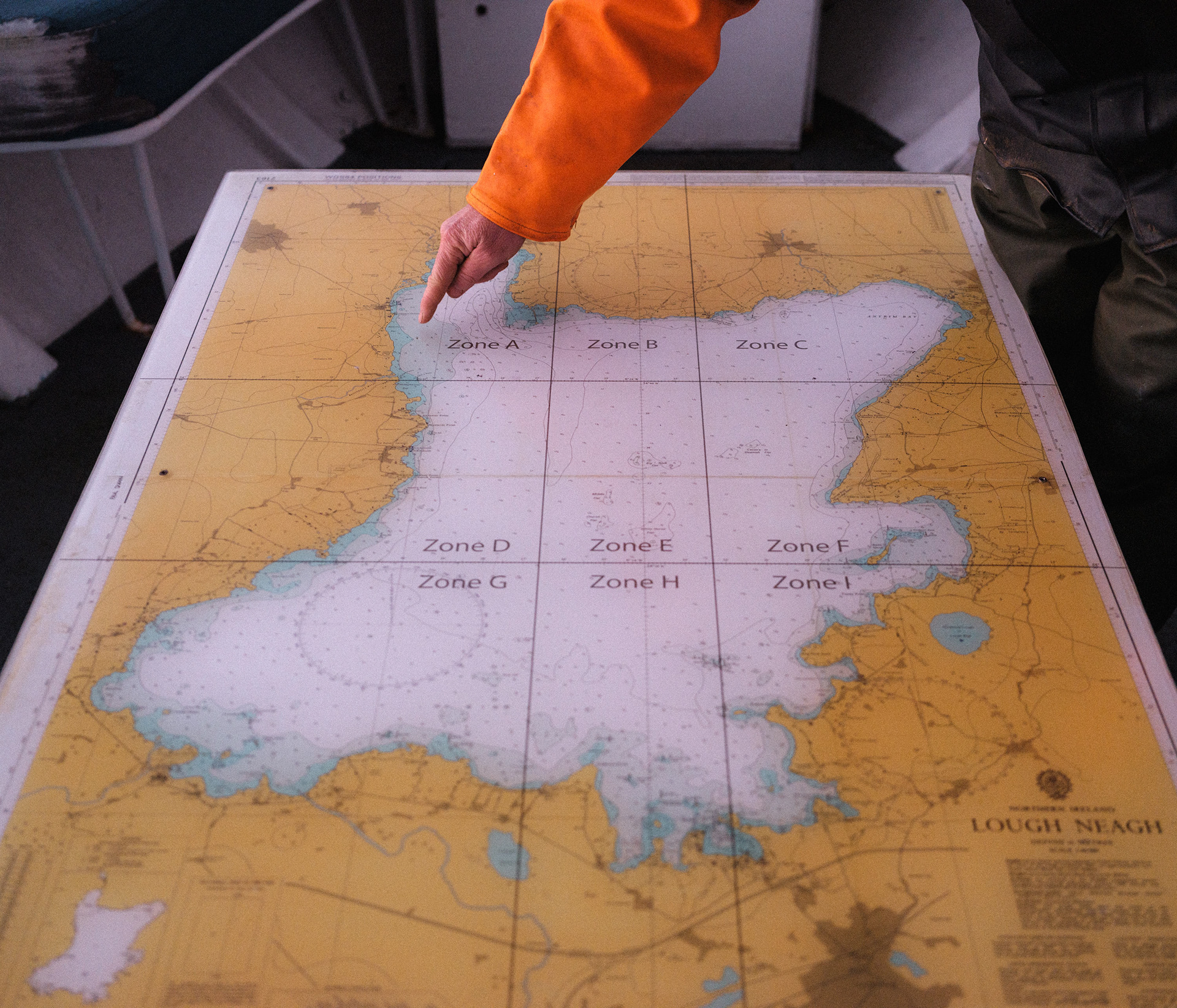
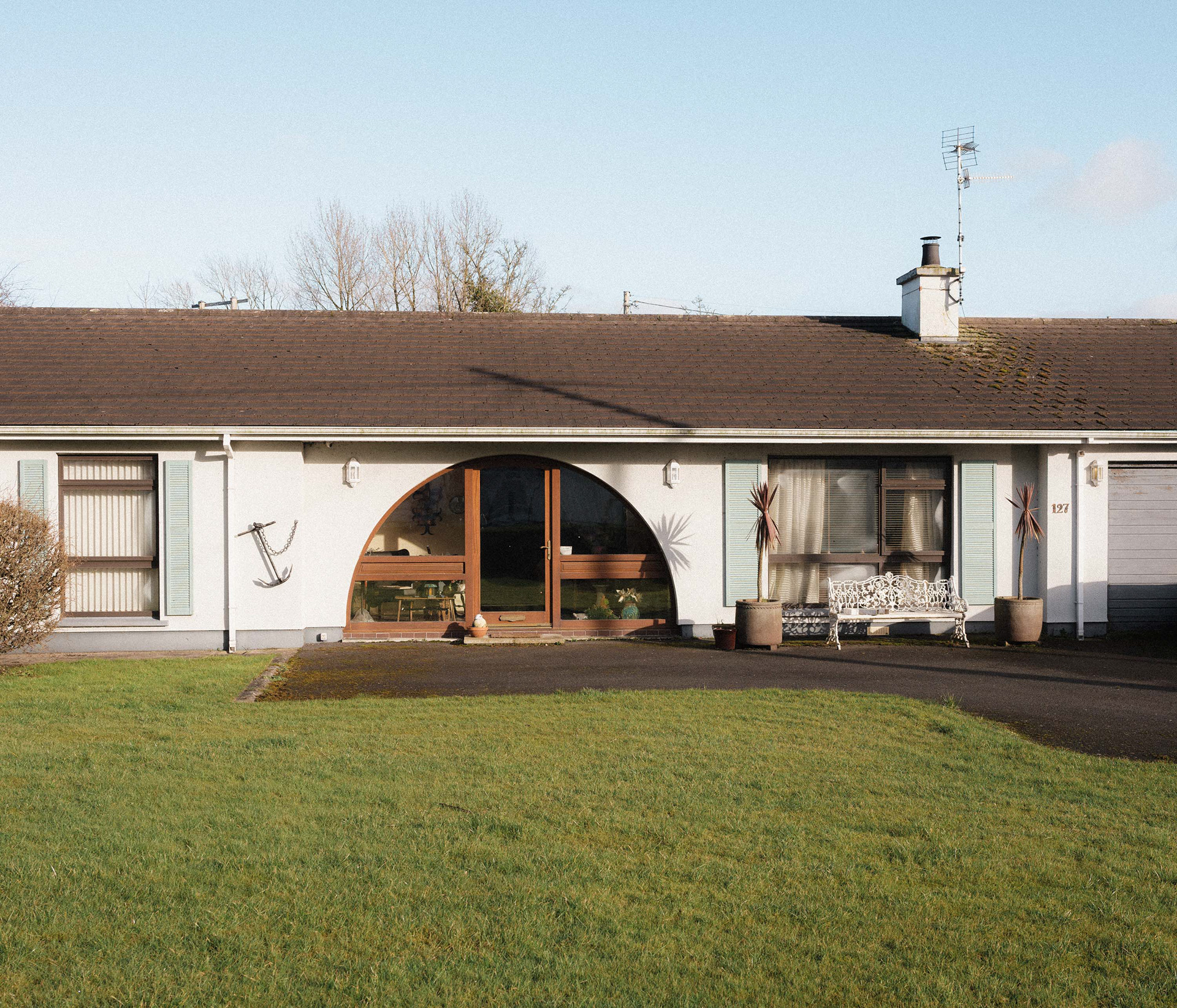
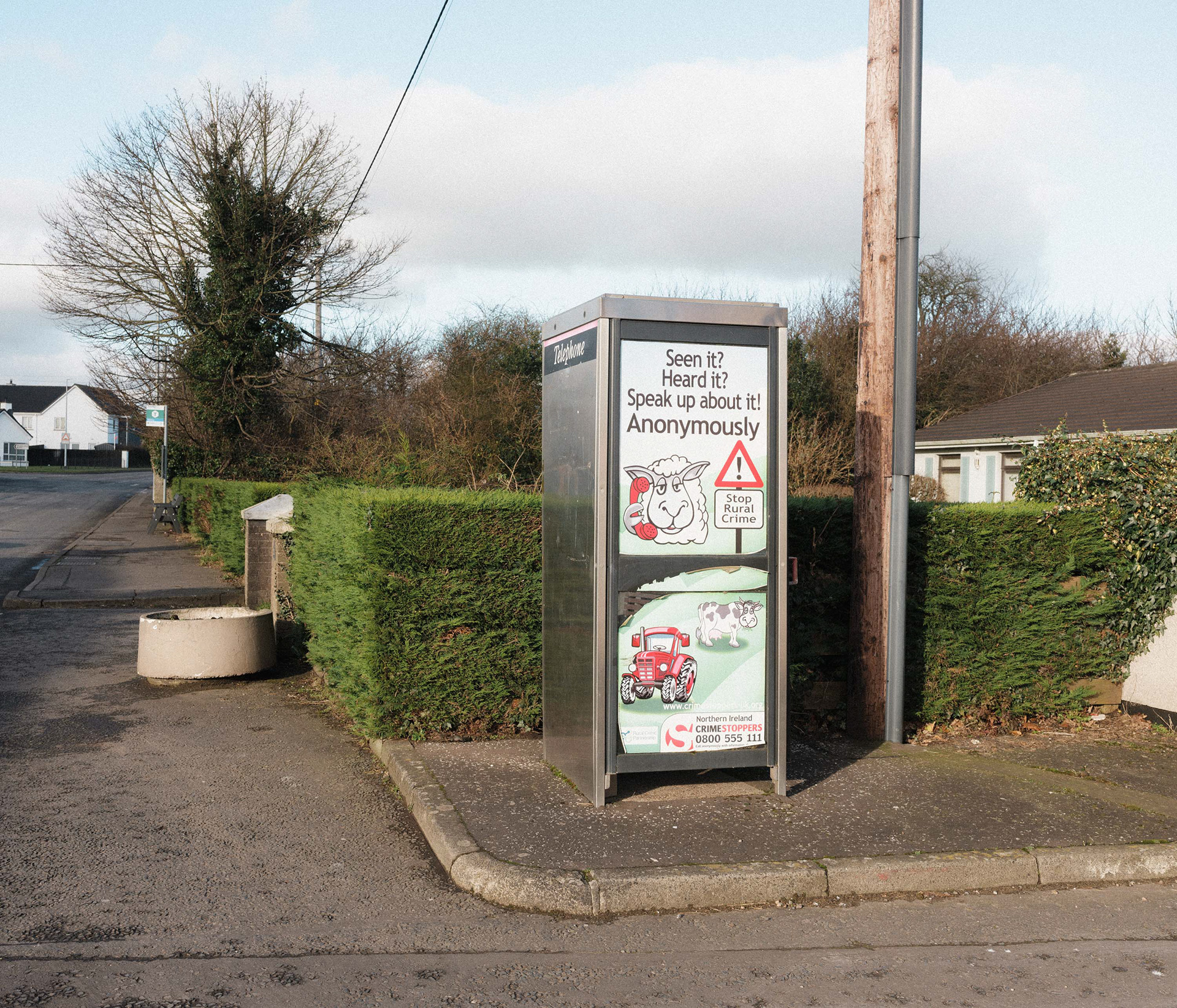
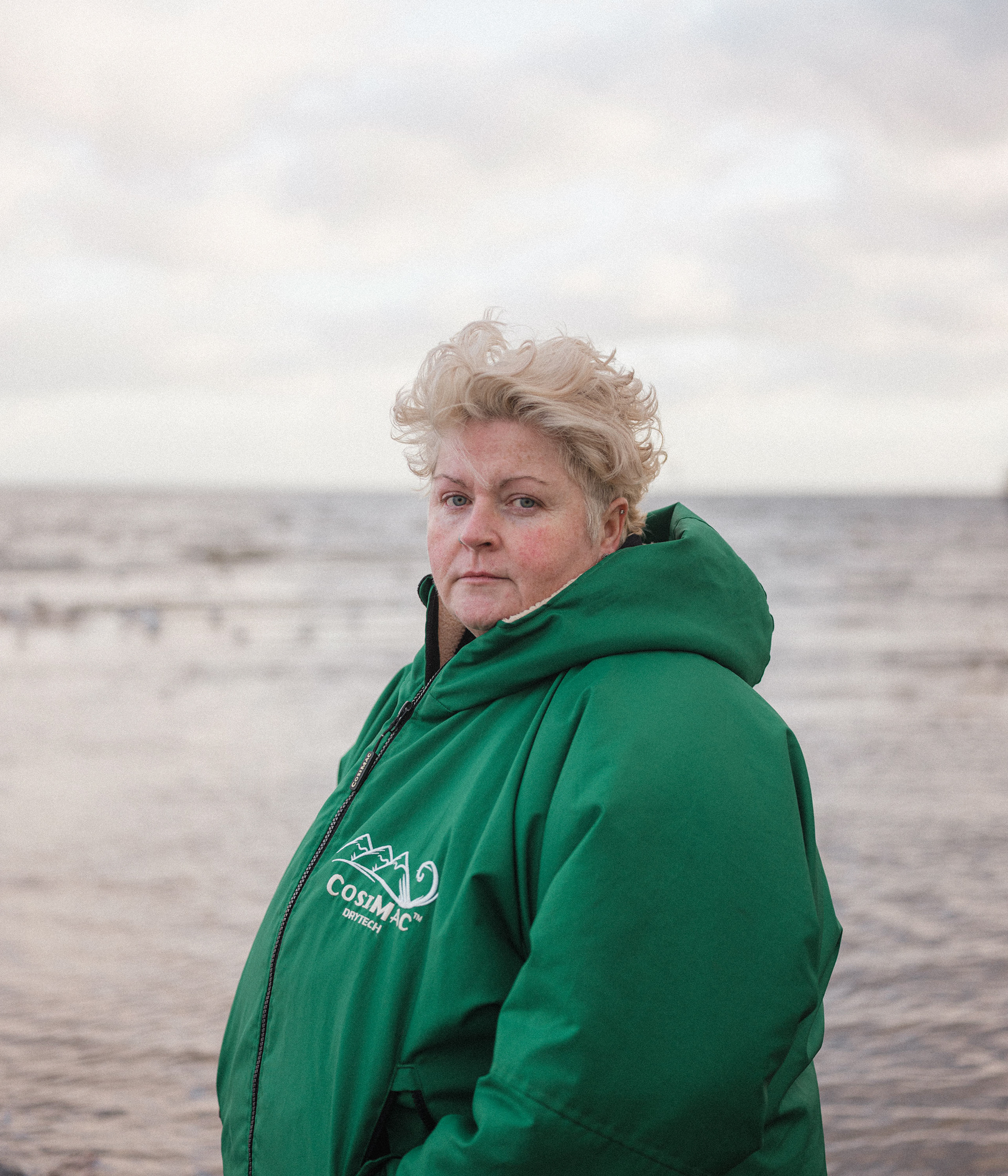
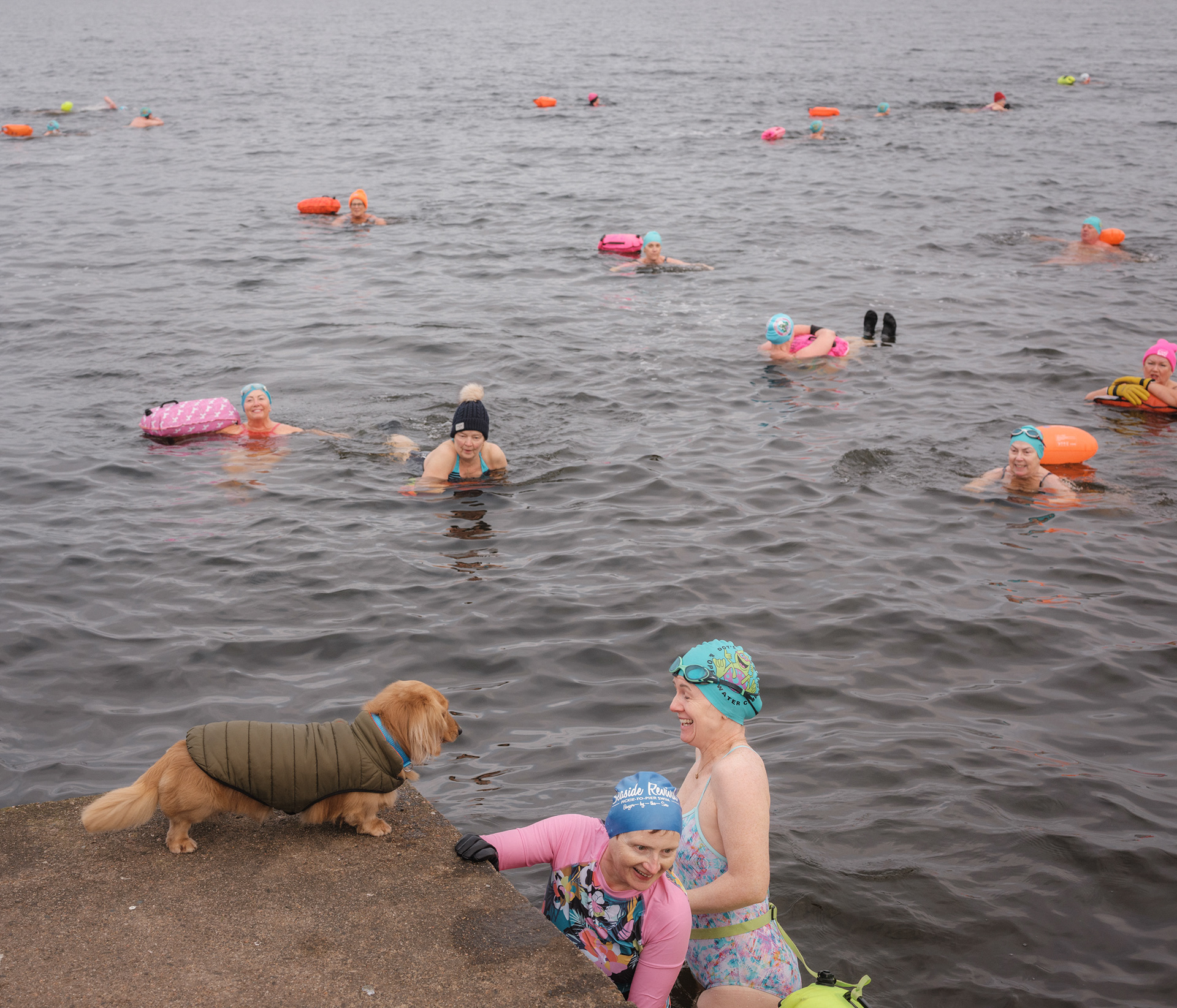
On a bright but bitter February afternoon, I met Mary O'Hagan by Lough Neagh’s western shore.
Mary started open-water swimming in 2019. “I had heard that cold water was good for chronic pain, and I’m a chronic pain sufferer,” she explained.
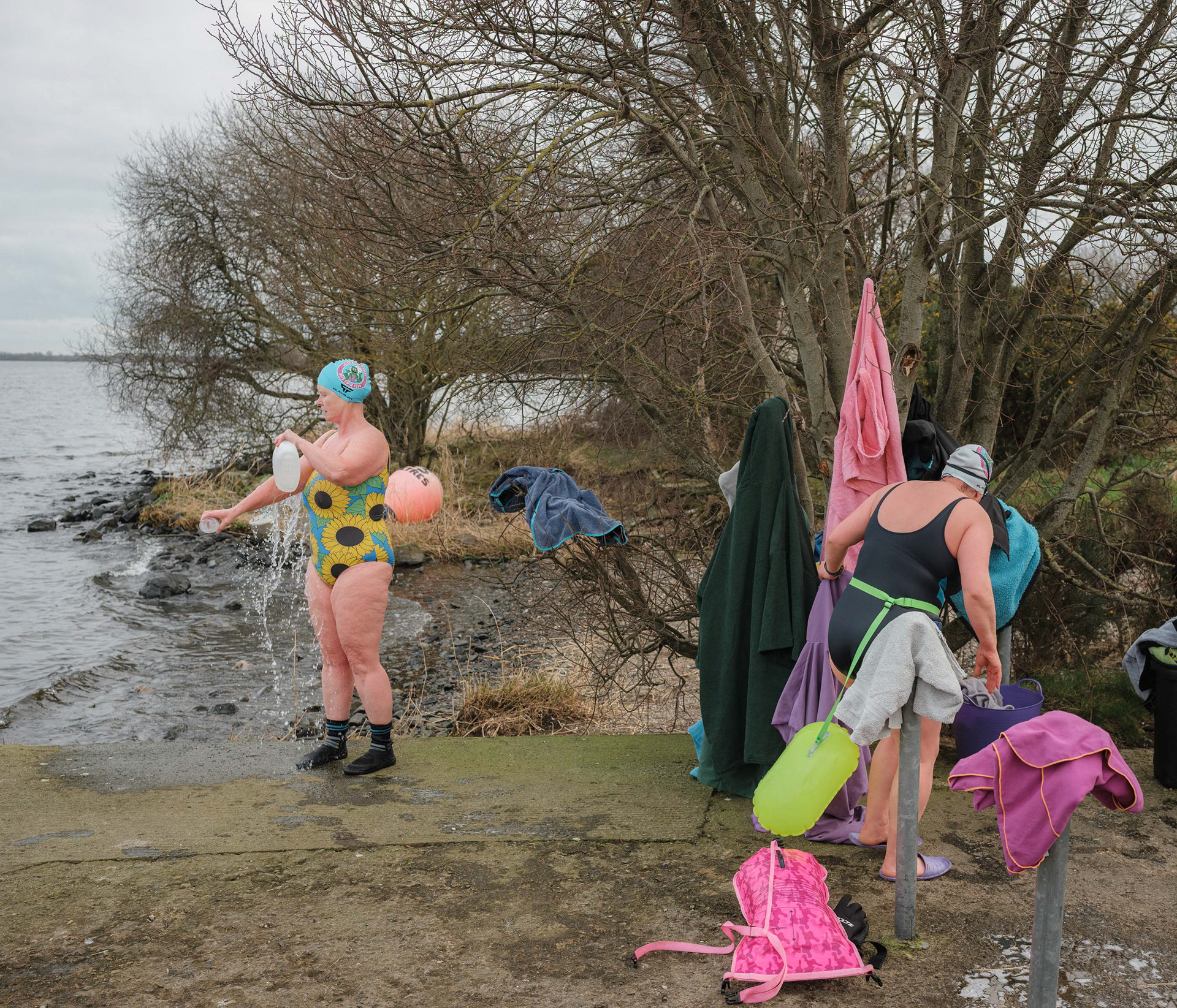
Initially, she swam at the beaches along the northern coast. But when the pandemic brought lockdowns and travel restrictions, she, like many others, sought out a more local swimming spot. She founded The Ballyronan Blue Tits, a cold-water swimming group that meets at Ballyronan Marina, a few miles from Mary’s house.
“We grew really, really quickly. I think during COVID a lot of people found their way back to nature. They’re going hiking in the mountains or the forests or coming cold water swimming.“
Mary speaks passionately about the lough (anglicisation of the Irish language word for loch). “You know, there just isn't anywhere like it. I love the big, big pumpkin skies that you have above it. I love the nature. I love seeing the swans coming in every winter.”
-
I first visited Lough Neagh in the summer of 2023, shortly after an unseasonal storm had passed. The heat of that summer had turned Ireland’s largest lake into a putrid expanse covered in a noxious sludge, releasing a nauseating gas. Glossy scum, thick like oil paint, lined the banks, spreading many metres into the water.
Excessive nutrients, particularly phosphorus and nitrogen, create ideal conditions for these harmful algae and plants. Sewage pollution, agricultural runoff, and environmental mismanagement have transformed this once-pristine waterbody into a breeding ground for ecological disaster.
-
With the lough unsafe, swimmers were forced to return to the coast—some heading east, others north—while some gave up swimming altogether.
Being unable to access the lough hit Mary and the group hard. “We lost our home. It was a big, big blow.”
With the onset of autumn and into winter, some evidence of the algae lingered in inlets far from the shores and footpaths. By February, you’d struggle to find much sign of the troubles facing Lough Neagh.
Mary is back to swimming in the Lough most days, preparing to cross the English Channel but when we meet a chilly northerly wind is whipping across Lough Neagh, ruffling its surface and making it unsuitable for her training. She recalls the moment she first realised something was seriously wrong with the water.
In spring 2023 Mary was training in the lough, “faces in and goggles on”, and started noticing green flecks in the water.
“The lock always had a reputation for being dirty," Mary says. “I used to say, it's not dirty – you don't know because you're not in it, but when I'm in it, it's so clear, you can see right down to the bottom. I didn't realise that the pollution was there. It's not clean. It's clear.”
-
Our planet faces a catastrophic and accelerating biodiversity crisis. In few places does that problem become as clear as in Lough Neagh, the largest freshwater lake on the island of Ireland, bordering five of the six counties of Northern Ireland.
Supplying more than 40% of the North’s drinking water and hosting the largest wild eel fishery in Europe, Lough Neagh is a cultural and archaeological gem—an inland sea linked to legends that loom large in the shared memory of this island. According to legend, it was created when the giant Finn McCool tossed a clod of soil into the Irish Sea, forming the Isle of Man. This mystical lough inspired the legendary poet Seamus Heaney, who grew up near its shores. Heaney’s 1969 series of poems, "A Lough Neagh Sequence," is dedicated to the fishermen, once numerous.
-
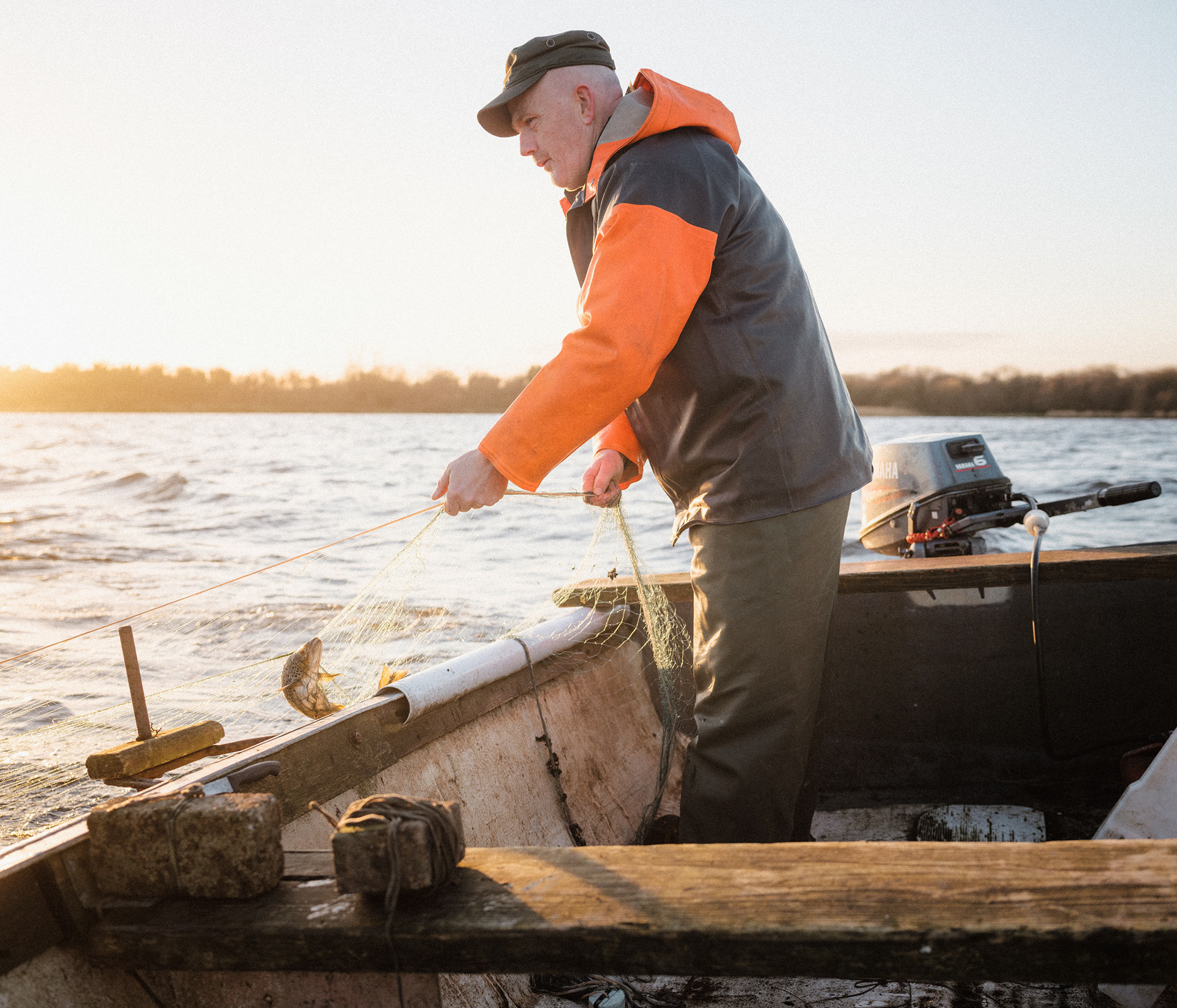
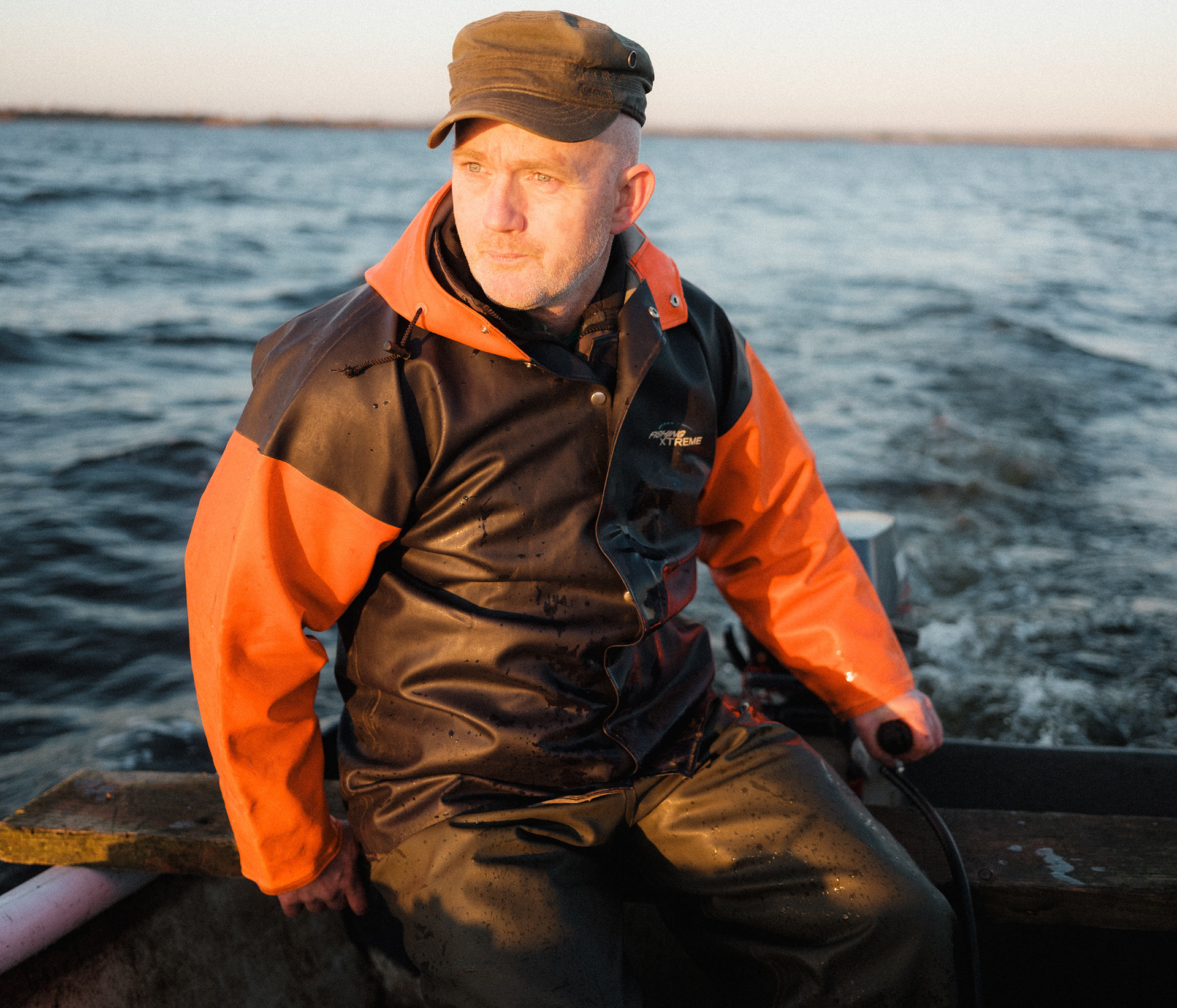
Gary McErlain went on his first fishing trip on Lough Neagh when he was four years old. He laughs when recalling that first trip “I never forgot it. And even from then I knew, I got it.”
By the time Gary was 14 he was commercially fishing alongside his father. “I was leaving this quay, leaving this shore at four o'clock in the morning with my old fella and coming back in at eight and running up that road for the school bus. I loved it.”
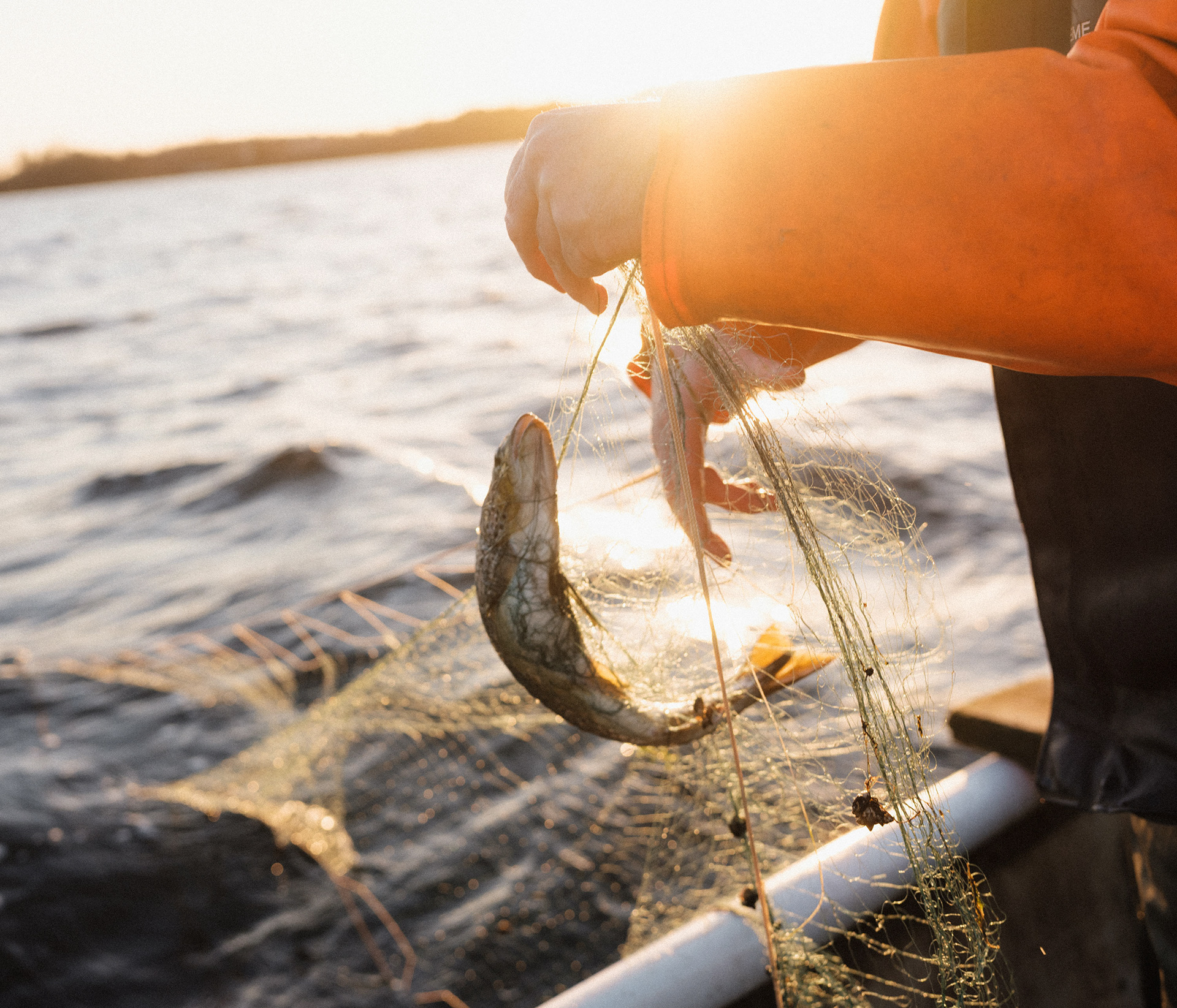
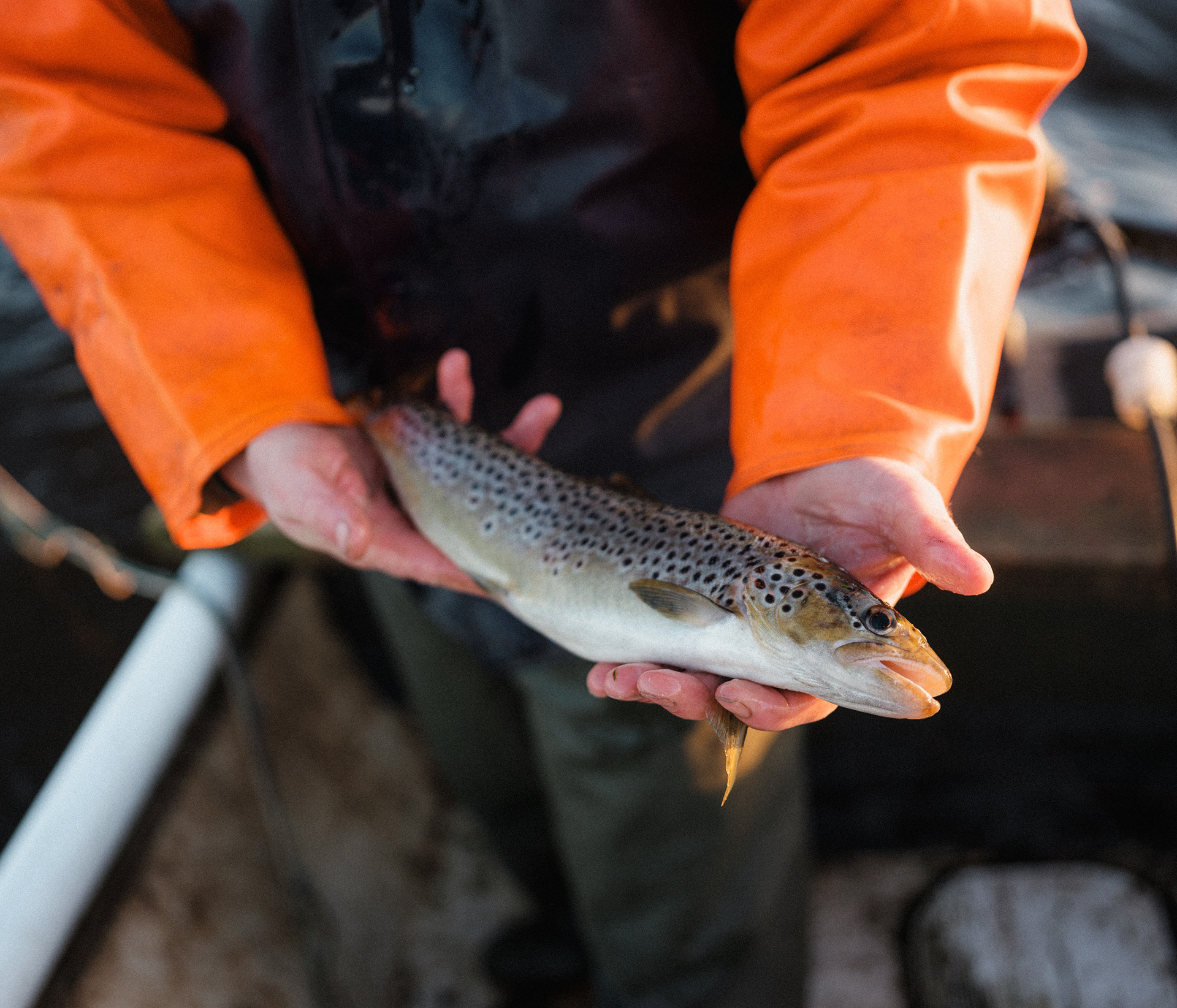
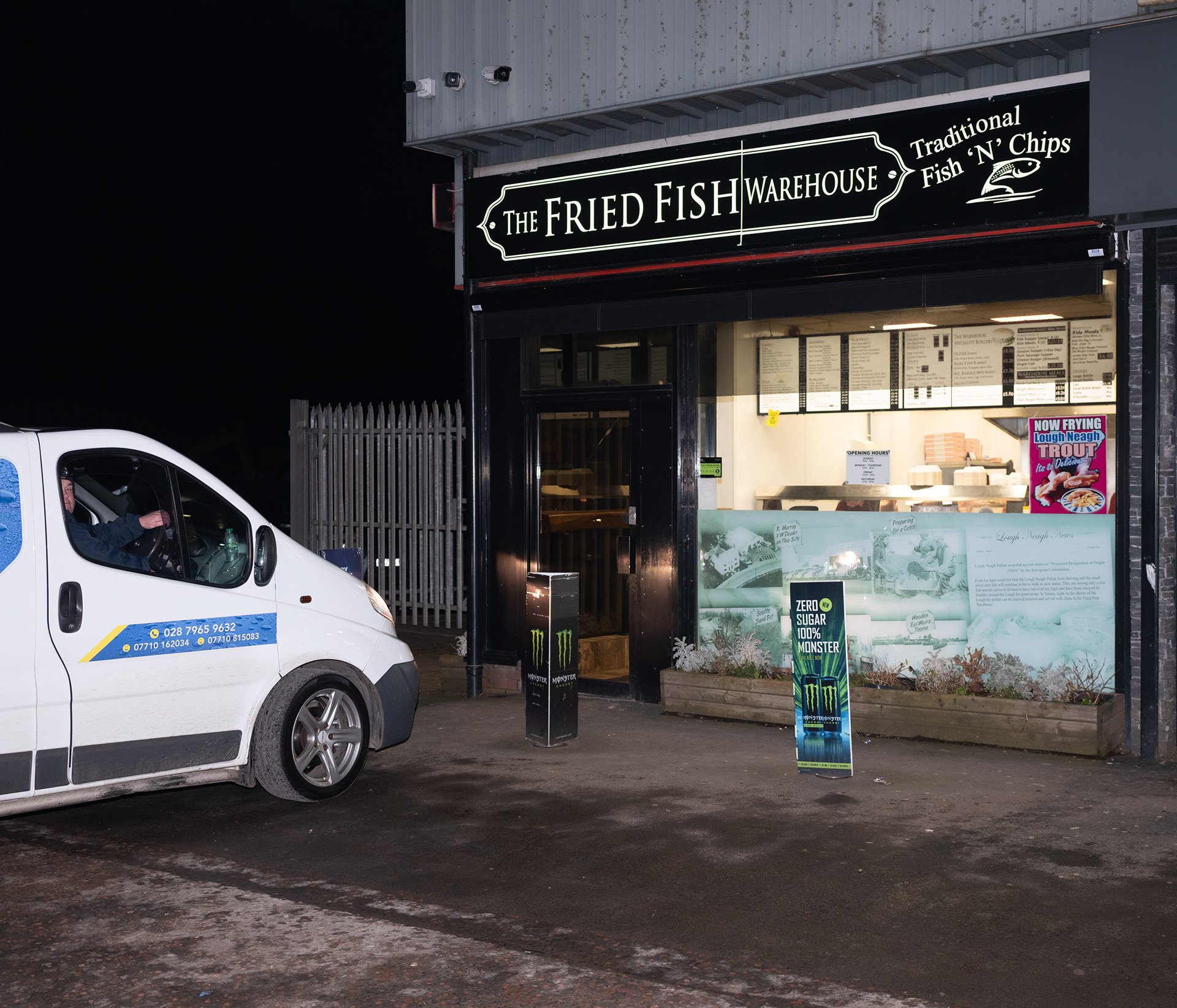
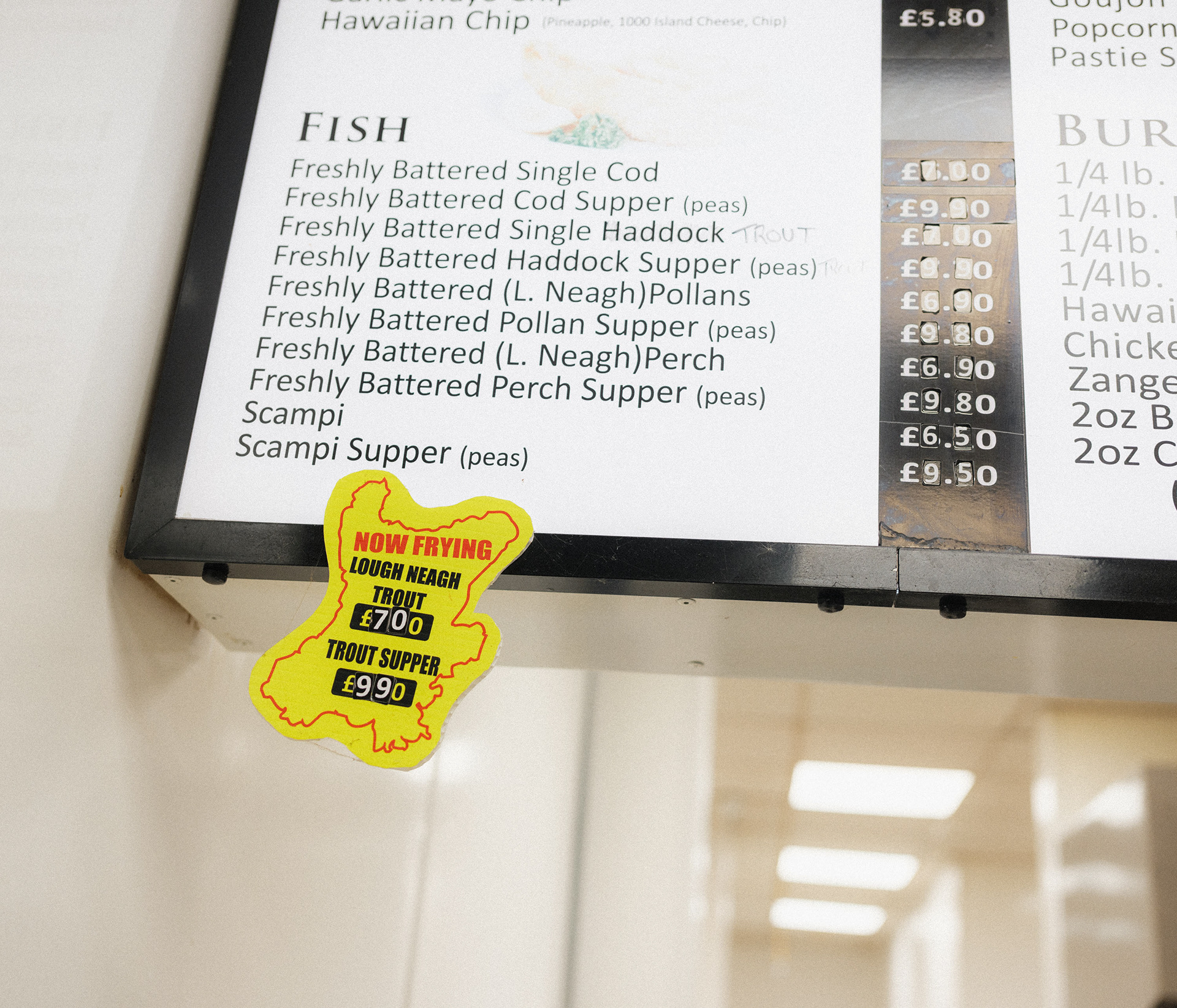
At least seven generations of Gary’s family have fished the lough, for pollan, eel and its unique species of Dollaghan trout.
I asked Gary how he had known the Lough was in trouble and without hesitation he mentioned the flies. Growing up metres from the shore, dealing with swarms of flies was once part of daily life come springtime.
“The house was full of them. At night you couldn't put a light on, you couldn't open the door. If you had the outside light on the white walls were just plastered with flies.”
Fly larvae burrow into the base of the lake for up to a year, and it’s here that they act as recyclers of rubbish, hoovering up dead fish and rotting algae. They pupate and rise to the surface where their pupal skin splits open and acts as a miniature raft for the now-adult fly to dry its wing before making its maiden flight.
They are a key food source for many birds and fish around Lough Neagh. As the flies rise, the fish follow, and dictate the way the fishermen here work.
“Without the fly on the Lough it would basically be a dead lough. It feeds everything, from our Dollaghan trout that you have seen, to our pollan. At every stage in that fly's life, our fish are feeding on it.”
I ask Gary again about the flies, albeit somewhat concerned I’m becoming fixated on their status on the Lough.
“You couldn’t get too hung up on the flies. You couldn't. Because there is the whole ecosystem, the whole natural world and everything to do with Lough Neagh - screaming out and letting us know that there's a serious problem out there. And that's nature doing that for us.”
“So really what's going on out there is dictated by the Lough Neagh fly. So without it, our ecosystem is under a lot of strain, a lot of pressure and I think could break completely.”
-
At the height of the 2023 Lough Neagh crisis, Northern Ireland’s power-sharing government had collapsed, leaving no functioning authority to respond. Westminster wouldn’t intervene, calling it a devolved matter. The Democratic Unionist Party (DUP) eventually agreed to restore the power sharing agreement, partly due to pressure to address the lough’s ecological collapse.
In July 2024, Andrew Muir, Minister of Agriculture, Environment and Rural Affairs and an Alliance Party Member of the Legislative Assembly (MLA) published an action plan to save the lough, but key measures to ban excessive phosphorus fertiliser faced DUP opposition. In February 2025, a motion brought by Muir to reverse a limit on pollution fines was blocked by Sinn Féin, the DUP and other smaller Unionists parties. A freedom of information request later revealed that only 2.5% of agriculture-related water contamination incidents from 2015 to 2023 resulted in prosecutions.
“The situation now does depress me.” Muir continued, audibly frustrated. “We all need to take a bit more ownership individually towards the environment – this has to be a collective endeavour.”
Minister Muir is unwavering in his views on how to tackle the crisis at the Lough.
“We do need to change farming practices in order to improve water quality”, he said.
--
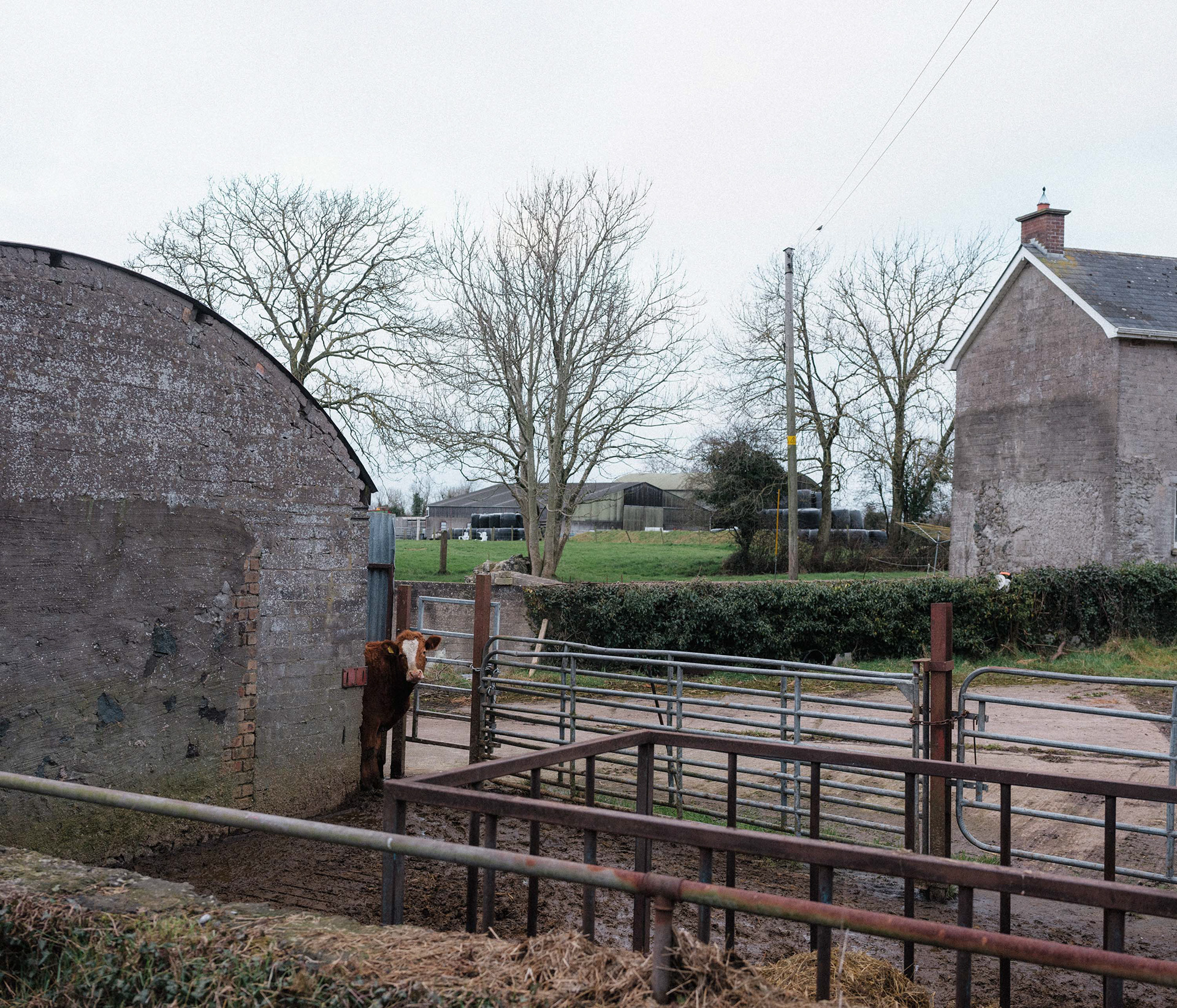
Michael and Julie Meharg farm land on the eastern shore near Belfast International Airport.
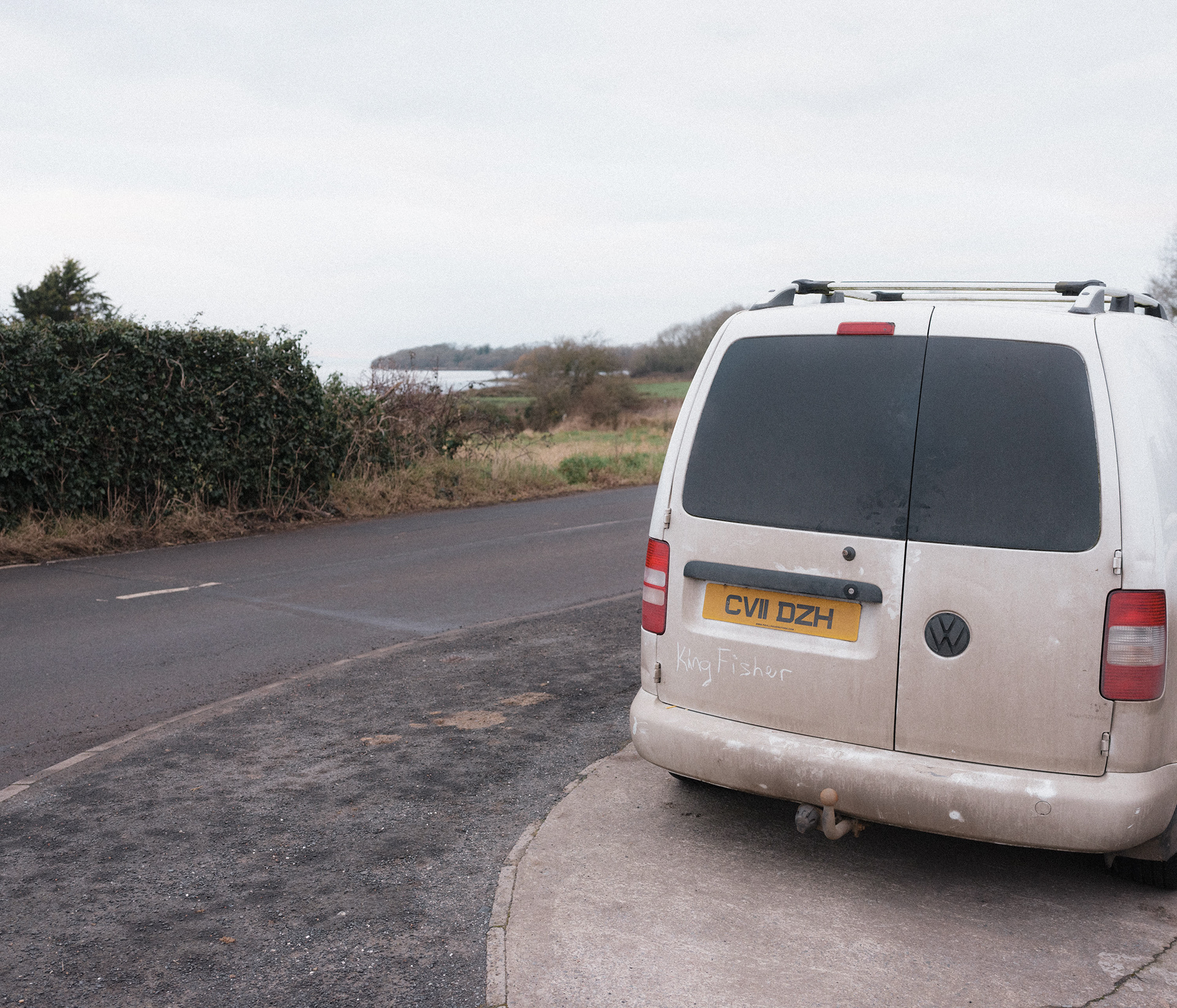
There’s a greater sense of hustle and bustle on this side of the lough. We’re in the commuter belt, where the rural and the suburban attempt to merge. Farm vehicles try to join main roads, waiting patiently for a sympathetic driver to let them in. Down the side roads, large detached properties neighbour small businesses and traditional farms.
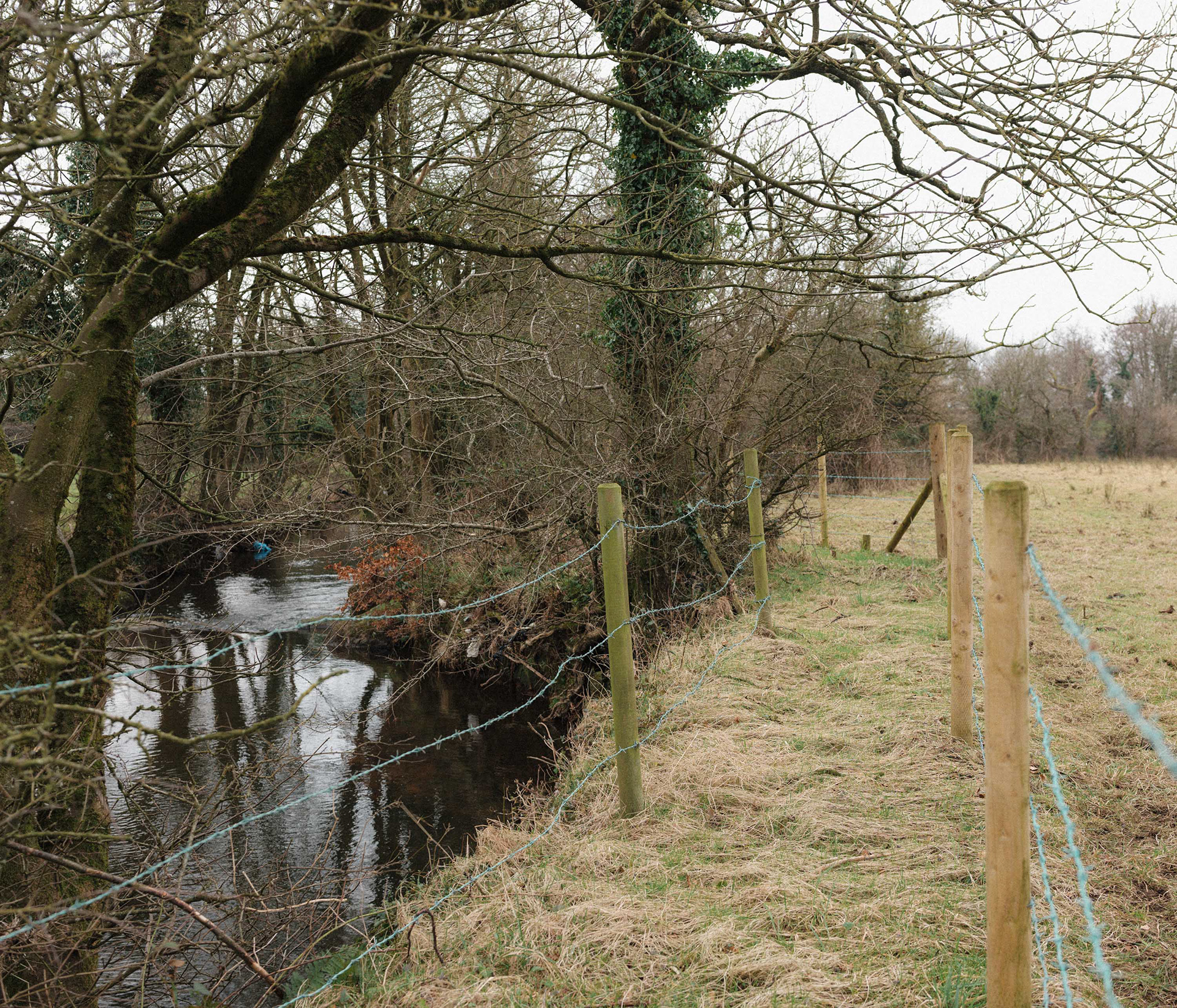
The Mehargs identify as environmentalists, rearing their choice of cattle – native Irish Moiled cattle as well as Simmental, a German upland breed suited to land similar to the lough’s shore – in a way that is sympathetic to their environment while turning a profit. They have fenced off rivers to prevent cattle from entering the waterways and have planted hundreds of native trees. Whilst some of their cattle are in the fields, others are indoors, and the slurry produced here goes into a neighbouring farmer’s anaerobic digestion plant, generating energy for use on the farm or exported to the grid.
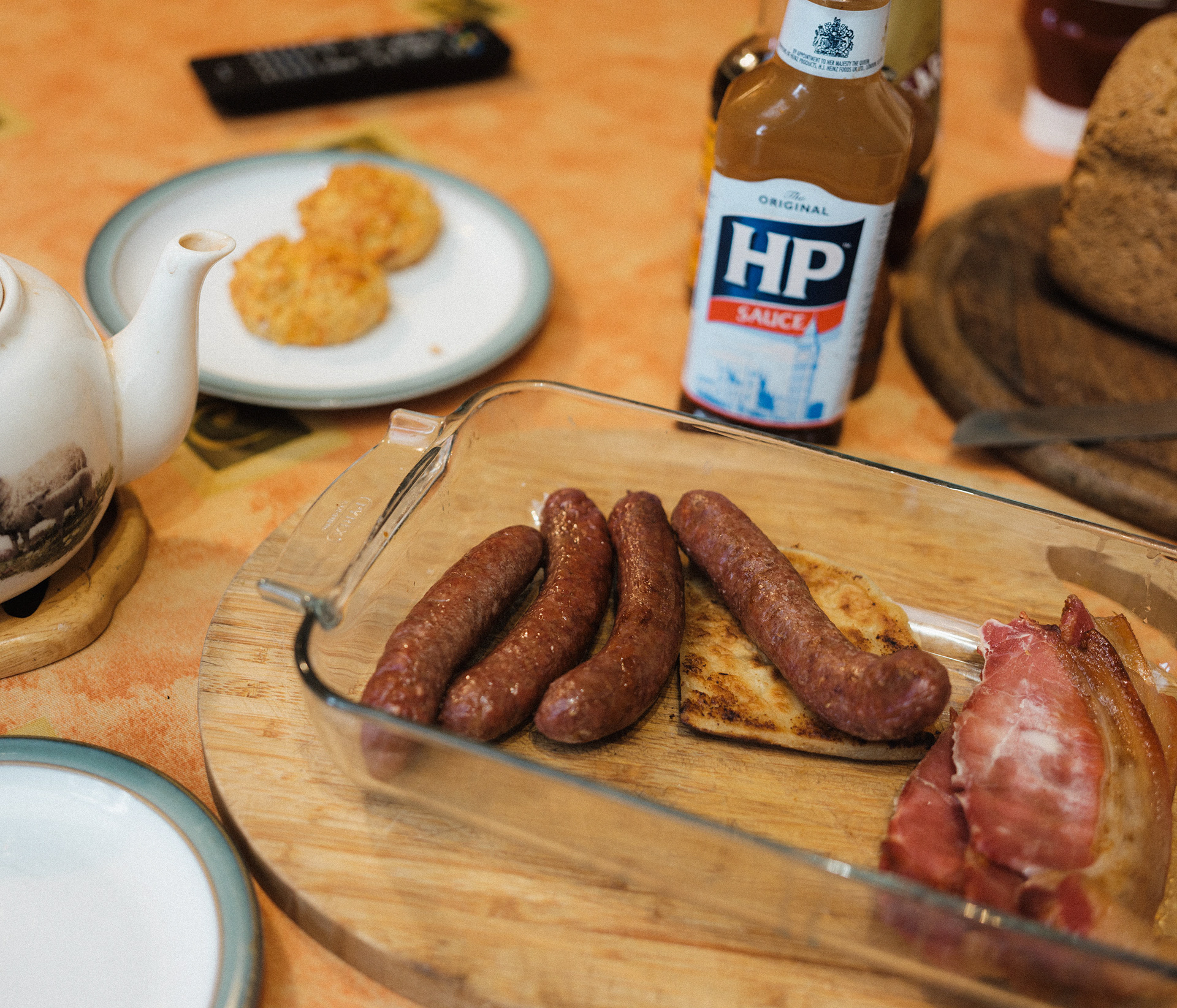
“The concept we had is that sometimes putting in less gets you more.” Michael tells me over a cup of tea and freshly baked cheese scone. “At the end of the year, if I can keep as much of our farm going with the inputs being sunshine and rain, my margins are going to be better at the end than someone who's fertilizing, spraying, feeding, and putting all that in.”
Michael also works with local farmers in his role at the Lough Neagh Partnership, an organisation founded in 2003 to “manage and protect” the lough, coordinating a project to encourage and support farmers to apply for EU funding assistance and develop environmentally friendly agricultural methods that – among other things – improve water quality.
"We were able to help farmers target their efforts—pointing out small changes that could make a difference. When you’re working with a hundred farmers, even marginal improvements matter. Things like fencing off drains and ditches with riparian buffers all contribute to water quality over time."
They were surprised by the level at which farmers in the shore area were already engaged in measures that supported water quality.
"A lot of the land there wasn’t being pushed too hard. Farmers who entered the scheme knew their land, they knew its carrying capacity, and they farmed in a sustainable way," he explains.
Michael doesn’t think these shoreland farmers are the major contributors to nutrient overload in the Lough. Instead, he thinks the issue largely stems from those further afield who aren’t aware of their impact.
"The rivers that flow into the Lough are already in the state they’re in by the time they arrive," he notes.
-
Rivers feeding Lough Neagh drain 43% of Northern Ireland and part of County Monaghan in the Republic of Ireland. Intensive dairy, pig, and poultry farming in this vast catchment significantly contribute to pollution.
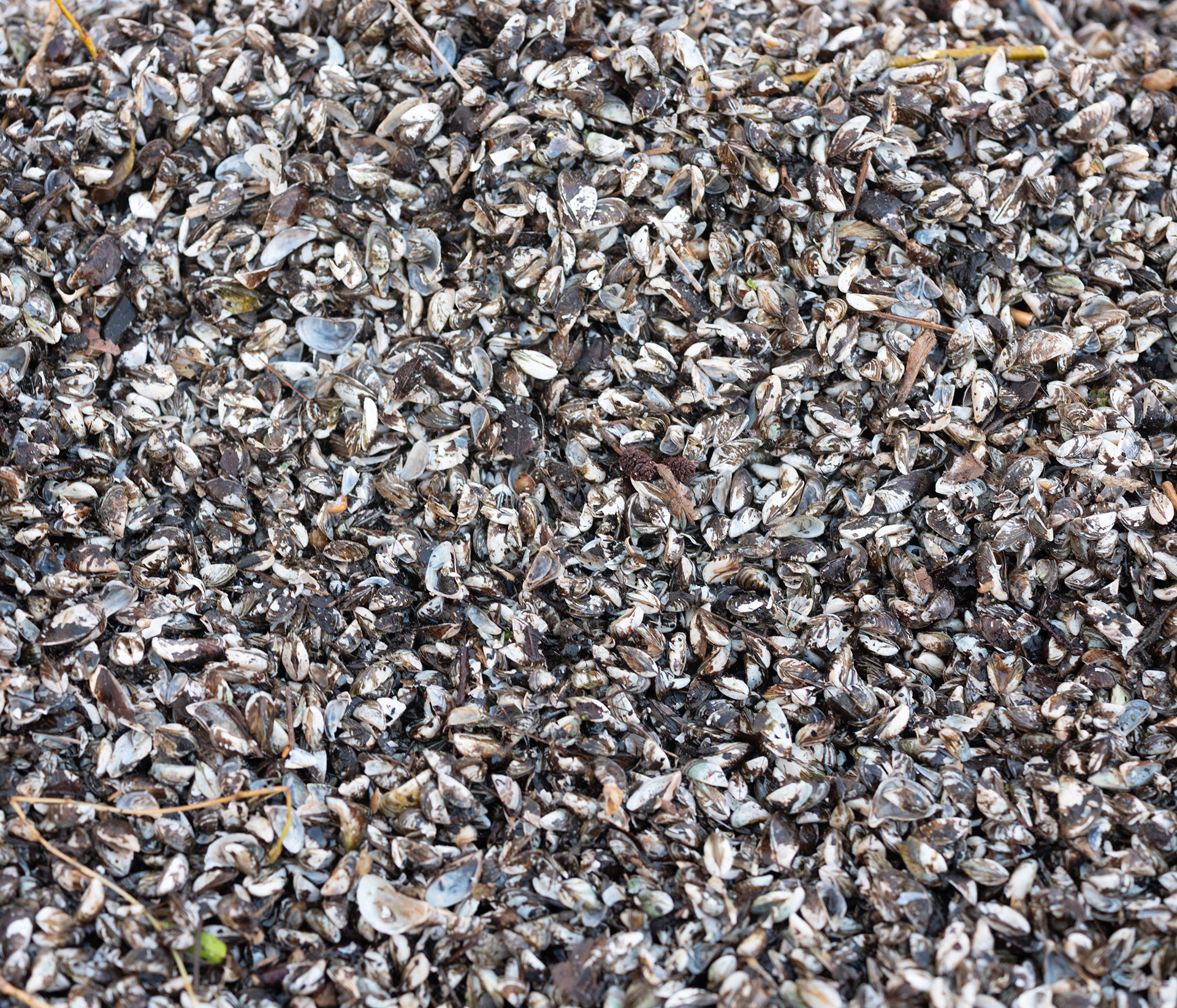
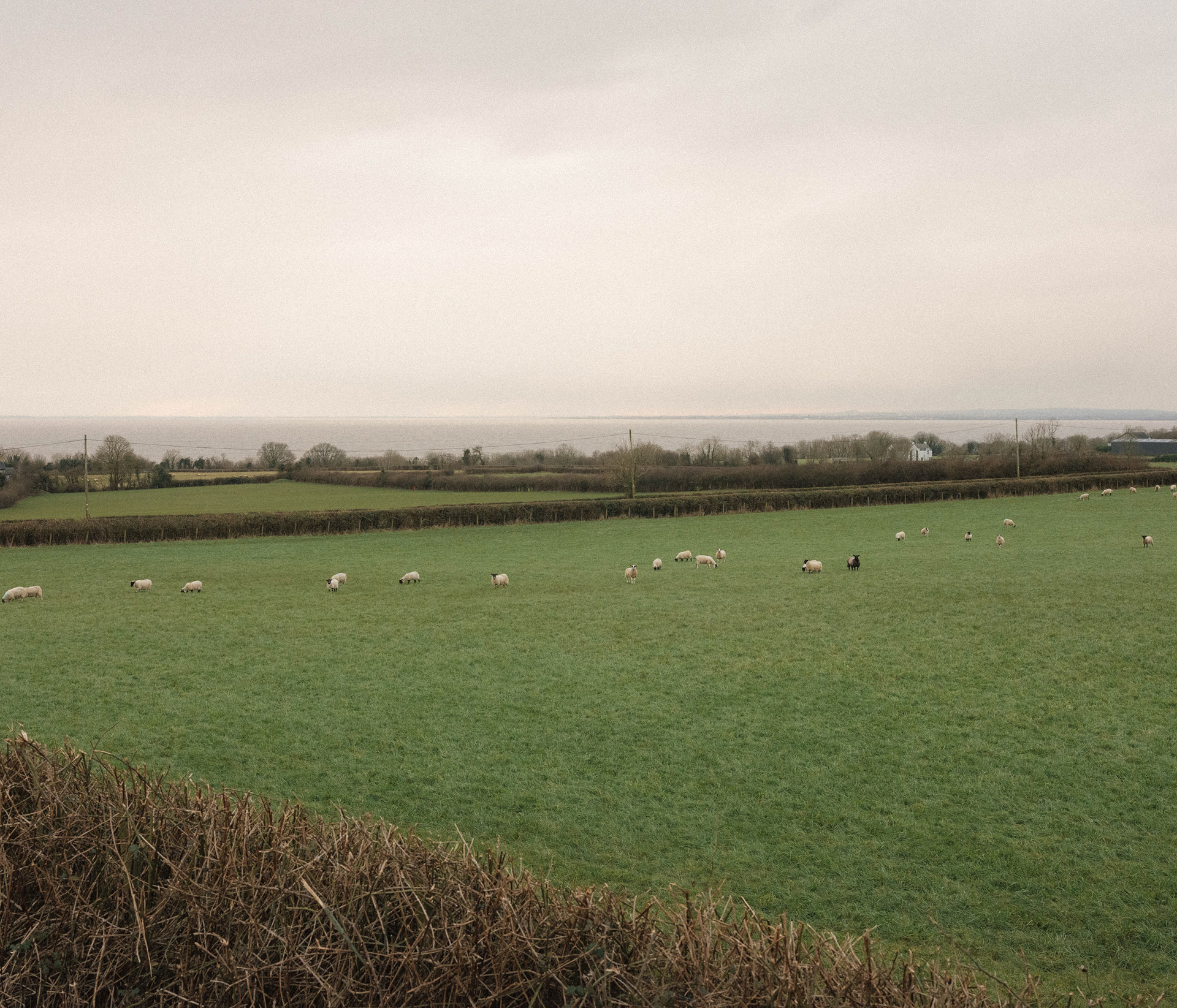
On my most recent visit to the region in February, some cattle and sheep grazed where the land could support them, but most remained indoors. Yet, what the eyes couldn’t see, the nose detected—the pungent tang of slurry following me as I looped clockwise around the loughshore. And far out of sight of the Lough, sewage and slurry enter rivers that slowly make their way into the Lough. And beneath the surface of the lough, invasive zebra mussels filter the water and concentrate nutrients at the bottom of the lake, creating the perfect environment for algae to bloom.
-
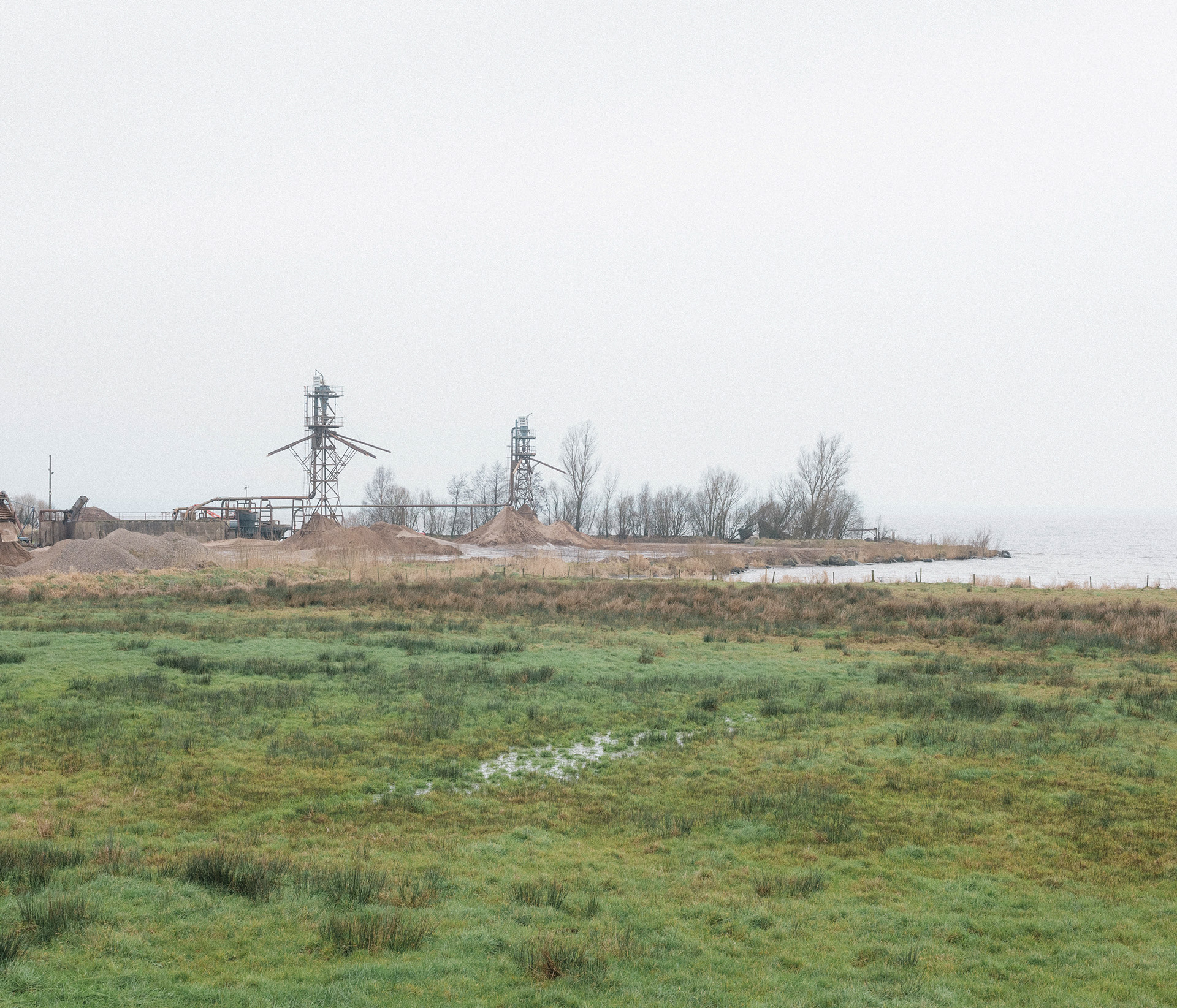
Ownership of the Lough bed and an active extractive industry evokes Ireland’s colonial context. King James of England gifted the lake to Sir Arthur Chichester during the Plantation of Ulster in 1603. The ownership of the lough bed, and shooting and fishing rights are currently in the hands of the 12th Earl of Shaftesbury, Nicholas Edmund Anthony Ashley-Cooper.
Public outrage at the environmental catastrophe in Lough Neagh has led to calls for the lough to be brought back into public ownership.
The Shaftesbury Estate is a member of the Lough Neagh Partnership, and is involved in managing the transfer of its ownership.
However, talks to develop plans over a new management and ownership model for the lough have been criticised by campaigners, who say the communities around the vast body of water have largely been excluded from the conversation.
Some local residents have been critical of the Lough Neagh Partnership, saying it lacks transparency and attempting to silence criticism.
--
Back at Ballyronan Marina, sheltering from the wind amongst trees on the Lough Shore, Mary tells me about when the algae first reappeared here in 2023.
“It's very, very hard to believe how otherworldly it actually looks”, Mary recalls. Mary did her own research and discovered the potential dangers posed by the toxic algae, and was shocked that there were no warnings. Meanwhile children were wading through the “thick green sludge”.
She called local councils who told her to call the department for the environment, who told her that it wasn’t in their remit either, that responsibility for the lough was with Northern Ireland’s water agency. People were getting passed from pillar to post and the sense was that no-one was taking any responsibility.
A chance encounter with a local fisherman and a local musician led to the starting of a Facebook group called Save Our Shores, where people could share photographs of the problems they were seeing in and around the Lough.
“It was really set up for information sharing more so than anything.” Mary told me. Quickly the group became more active, organising public meetings which were standing room only.
People on the group started to question the Lough Neagh Partnership, querying the value for money of their projects, and how much farmer-centred projects focussed on improving water quality. “I just asked ‘How was that spent?’” Mary explains. “I got no answer.”
“They say they're the guardians of the lough, but they won't answer to anybody.”
In March 2024, Mary and five others were threatened with legal action for Facebook posts they had made online by a legal firm representing the directors of the Lough Neagh Partnership. The letter demanded the deletion of around 60 Facebook posts (on another page called Ireland Is Not For Sale that the six were accused of running), an apology, a promise not to publish any further similar material, and reimbursement of the Partnership’s legal costs.
“All it was designed to do was to shut us up and make us go away.” And in the end, Mary admits it worked. “Stressed to the gills”, Mary archived the page. By this point the Save Our Shores group had 10,000 members. She regretted her decision and started a new Save Our Shores page but the number of members is now a fraction of the original page. “We never got it back.”
--
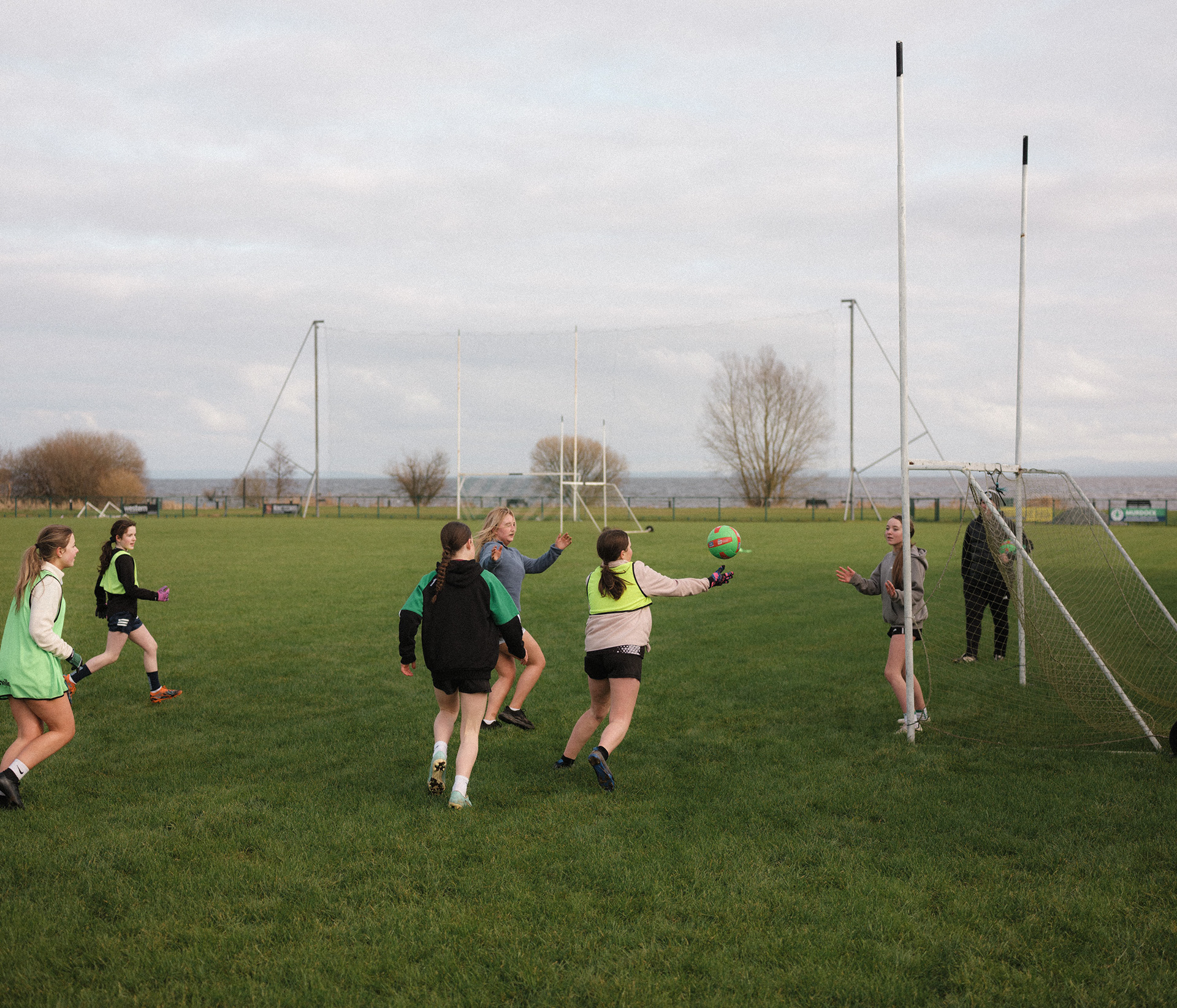
A few miles south along the western shores is Derrylaughan Kevin Barrys Gaelic Athletic Club, a Gaelic sports club whose goal posts are metres from the Lough shore.
Kevin Quinn, former chairman, is describing the club’s emblem to me, pressing on each of the four-corners of the crest on the jersey worn by another veteran member, Daniel. Top-left is stitched a sliotar, two hurling sticks and a football. In the bottom left is an oak tree, to represent the oak woods, doire lócháin in Irish, whence Derrylaughan is named. “There's a boat here to represent the fishers,” Kevin continues, “and then up here there's a bridge. A bridge which is just down the road here, which is called the Holy River Bridge. And it's a wee river there called the Holy River.”
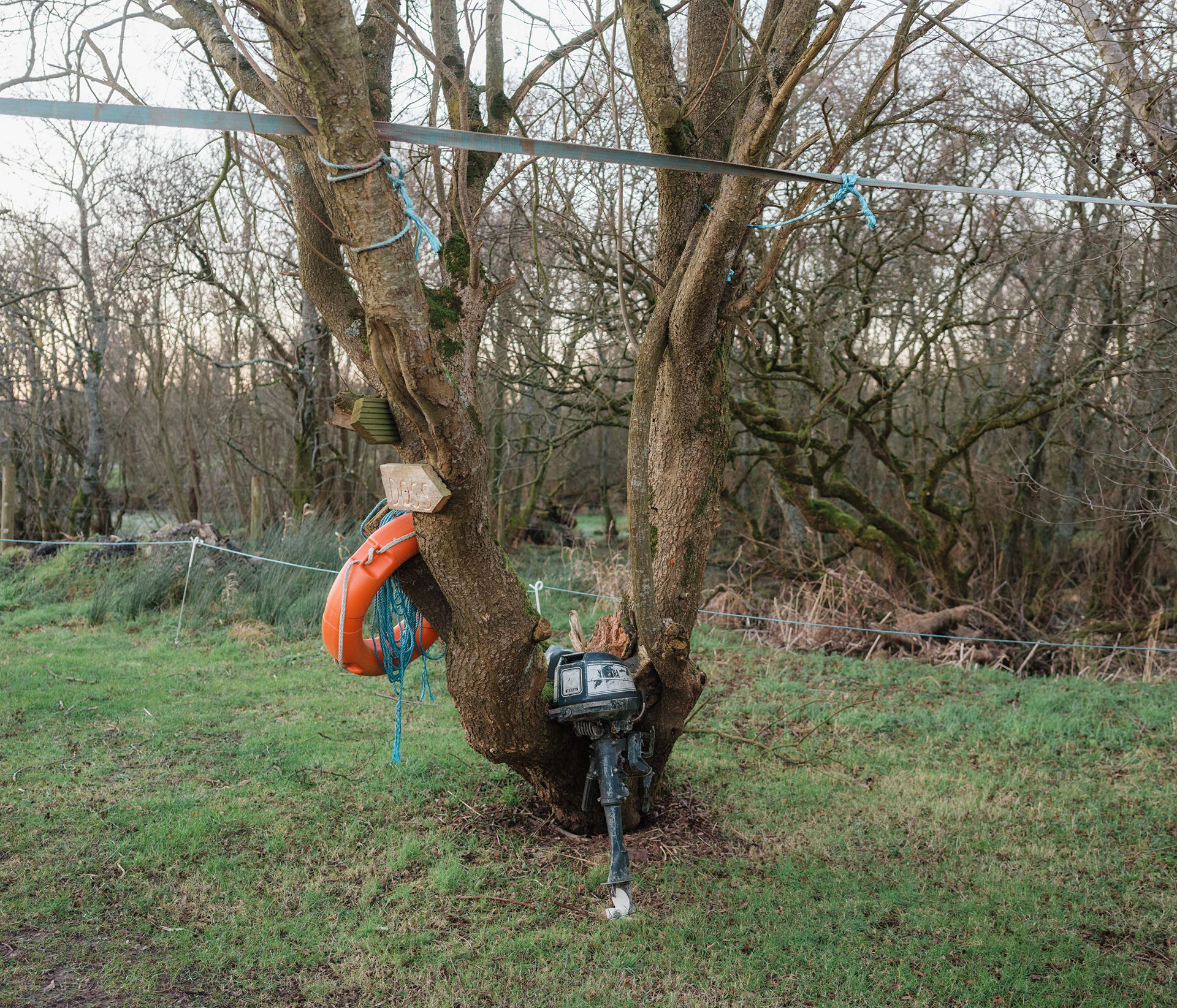
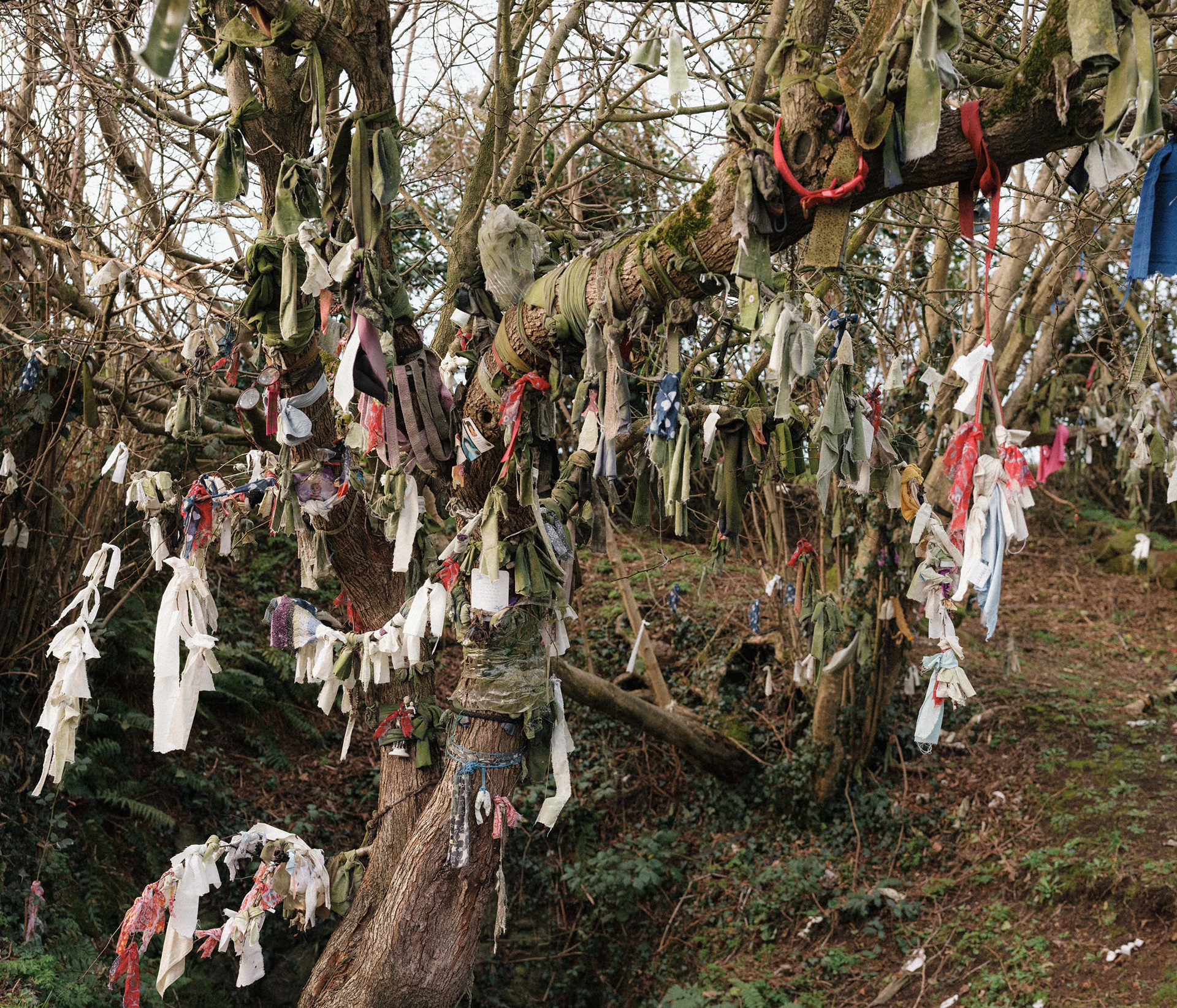
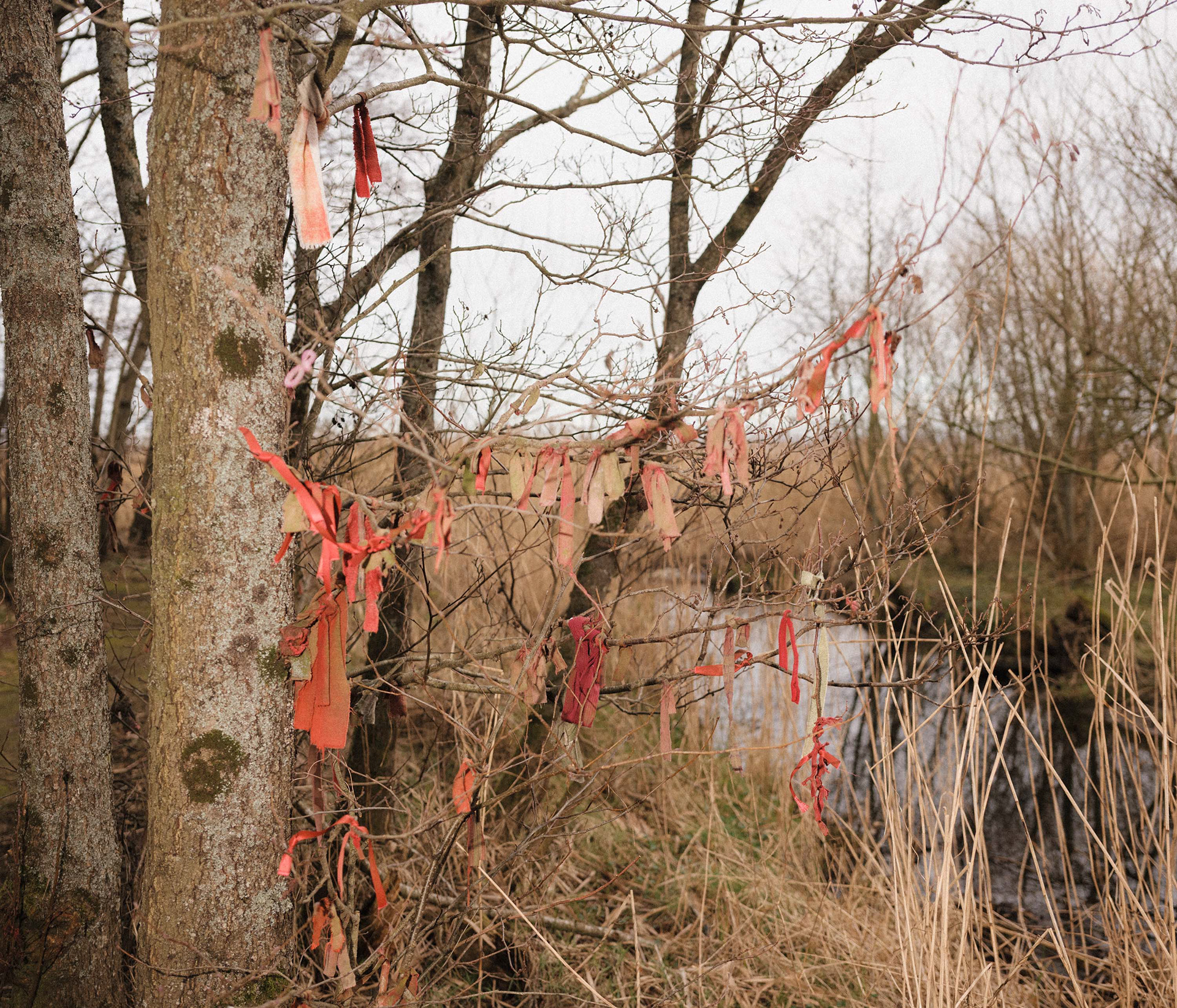
When the river ran higher, people would gather at its mouth near the Lough to bathe. Those with injuries who immersed themselves in its waters often found their wounds miraculously healed. In gratitude, the healed would leave a token of thanks—a scrap of cloth, a handkerchief, or a strip of linen—tying “a wee ribbon on a tree” as an acknowledgement of their cure.
Local communities know the lake best, remember what it once was, and are the first to see its changes. The water’s transparency may be an issue, but transparency between stakeholders, environmental activists, and meaningful public participation in decision-making are vital. Gaps in the current response are undermining public confidence in the proposed solutions.
The prospect of a pristine Lough Neagh feels irretrievably lost, but with the renewed efforts of residents, supported by environmentalists and emboldened politicians, there is still hope that the lough can— to some extent—recover.